Colorado’s climate is anything but predictable. From bitter cold snaps in Denver to blazing summer afternoons in Colorado Springs, the Front Range experiences some of the most dramatic temperature swings in the country. Add in high altitude, intense UV exposure, and dry air, and your home’s thermal barrier is under relentless stress. The right insulation isn’t just a building material—it’s the single most important investment you can make to slash energy bills, eliminate drafty rooms, and keep your living space comfortable no matter what the forecast brings. Homeowners who treat insulation as a science rather than an afterthought unlock year-round efficiency, healthier indoor air, and a quieter, more resilient home.
Understanding Colorado’s Unique Insulation Challenges
Insulating a home in Colorado demands a fundamentally different approach than in milder climates. The state’s high elevation means thinner air that holds less heat, causing indoor temperatures to plummet rapidly once the sun goes down. During winter, nighttime lows can dip well below zero, especially in communities along the Interstate 25 corridor. In summer, the sun beats down with an intensity that can send attic temperatures soaring past 140 degrees Fahrenheit. This thermal cycling puts enormous strain on a home’s envelope, turning even small insulation gaps into major energy leaks. Air sealing goes hand in hand with insulation here—without it, conditioned air escapes through rim joists, can lights, and attic hatches, forcing furnaces and air conditioners to work overtime.
Moisture management is equally critical. Although Colorado is known for its arid climate, winter condensation can form inside walls and attics when warm indoor air meets cold surfaces, leading to mold, rot, and reduced insulation performance. A properly designed insulation system must control vapor drive while allowing the building assembly to dry outward. Building codes across the Denver metro area and beyond now require higher R-values than ever before. Attics typically need R-49 to R-60, walls between R-13 and R-21, and floors over unconditioned crawl spaces at least R-19. These numbers aren’t just guidelines—they’re a direct response to Colorado’s heating-degree days, which rank among the highest in the nation. For homeowners in Aurora, Lakewood, and other Front Range communities, hitting those targets means the difference between a house that shivers through January and one that stays warm while the thermostat barely ticks upward.
Snow loads and ice dams add another layer of complexity. When heat escapes through an under-insulated attic, it melts snow on the roof, only for the water to refreeze at the eaves. The resulting ice dams can tear off gutters, lift shingles, and cause ceiling leaks. A high-performance insulation and ventilation strategy stops the melt-freeze cycle at its source. Simply put, Colorado’s climate punishes half measures. Whether you’re building a new home in Boulder or upgrading a 1970s ranch in Arvada, the insulation package must be engineered with a deep understanding of local weather patterns, altitude effects, and the specific microclimates that exist from one neighborhood to the next.
Comparing Insulation Materials: Which One Is Right for Your Colorado Home?
No single insulation product is a universal solution, and Colorado’s diverse housing stock—from century-old bungalows to modern high-performance builds—demands a tailored approach. Spray foam insulation has become a go-to choice for many homeowners because it acts as both an air barrier and a thermal blanket in one application. Closed-cell spray foam, in particular, delivers an impressive R-value of around R-6.5 per inch and adds structural strength to walls and roofs. Its built-in vapor retarder makes it exceptionally valuable in crawl spaces and basements, where ground moisture can otherwise migrate upward. Open-cell spray foam, while slightly lower in R-value, is an excellent sound dampener and works well in interior walls and cathedral ceilings where cost-effectiveness is key.
For attics and existing wall cavities, blown-in insulation offers a fast, minimally invasive retrofit solution. Fiberglass blown-in provides consistent thermal performance and resists settling, while cellulose blown-in—made from recycled paper treated with borate fire retardants—excels at filling irregular cavities and blocking air movement. In Colorado’s dry climate, both materials maintain their R-value effectively, but proper installation density is critical. Too loose, and convection loops can form within the insulation, cutting its real-world performance by 20% or more. That’s why professional equipment and calibrated techniques matter every bit as much as the product itself.
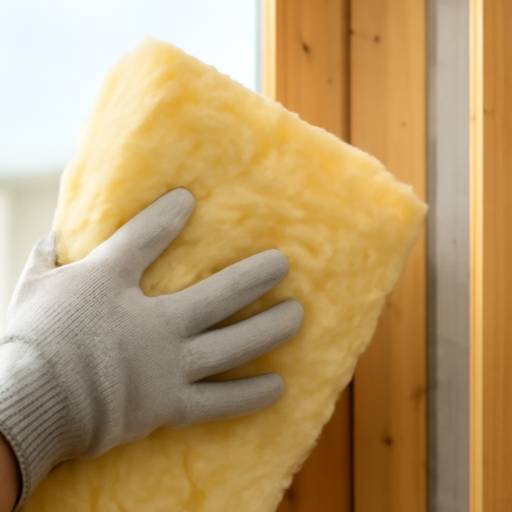
Batt insulation remains a popular, economical option for open wall cavities during new construction or major remodels. Fiberglass and mineral wool batts come in pre-cut widths that fit between standard stud and joist spacing. Mineral wool offers added fire resistance and excellent sound control, making it a favorite for interior partitions in busy households. However, batts must be installed without compression, gaps, or voids—a seemingly simple requirement that eludes many under-trained crews. In a state where a 50-degree overnight temperature drop is common, even a half-inch gap around an electrical outlet can create a cold spot that drives comfort complaints and energy waste.
Increasingly, Colorado homeowners are also prioritizing crawl space encapsulation. An unsealed crawl space allows soil moisture and radon gas to enter the home while sucking cold air into the floor assembly. Encapsulating the space with a heavy-duty vapor barrier, sealed seams, and insulated walls converts it into a dry, conditioned area that keeps floors warm and reduces humidity levels in the rooms above. This approach is particularly beneficial in Front Range communities where expansive soils already create foundation movement. A dry, stable crawl space translates into fewer cracks in drywall and a dramatically lower risk of mold—a win for both building durability and respiratory health.
The Value of Professional Installation and Energy Rebates
Even the highest-quality insulation materials will underperform if they aren’t installed to exacting standards. BPI certification (Building Performance Institute) is a benchmark that separates trained building scientists from general contractors who simply stuff batts into walls. Certified professionals understand the house as a system—how heating equipment, ductwork, ventilation, and insulation interact to shape energy use, comfort, and indoor air quality. They use blower door tests, infrared cameras, and combustion safety checks to verify that air sealing targets are met and that no backdrafting risks exist. In a state with as many older, leaky homes as Colorado, this diagnostic-first approach prevents expensive mistakes, such as locking moisture into a wall assembly or depriving a water heater of combustion air.
Another major advantage of hiring a qualified team lies in navigating the financial incentives available to Colorado residents. Xcel Energy, the dominant utility provider along the Front Range, offers meaningful rebates for insulation upgrades that meet program requirements. Homeowners can receive rebates for attic insulation, wall insulation, and crawl space encapsulation when the work is performed by a participating contractor. The rebate amounts often offset a significant portion of the project cost, and some contractors can handle the paperwork directly, ensuring the incentive is reflected in the final invoice. A insulation company Colorado that partners with Xcel Energy not only helps you claim these savings but also ensures the installation meets the program’s rigorous quality standards.
Professional installation also addresses the often-overlooked step of insulation removal. In many older homes, existing attic insulation has been contaminated by rodent droppings, or it has been compacted over decades to a fraction of its original R-value. Simply blowing new material over the top without removing the damaged layer can trap odors and create an uneven thermal blanket. A reputable crew will extract old, soiled insulation, sanitize the space, and then install fresh material that performs exactly as specified. The same principle applies to crawl spaces where fiberglass batts have sagged and absorbed moisture. A comprehensive approach ensures the entire thermal envelope works as a cohesive whole rather than a patchwork of quick fixes.
Altogether, working with an experienced insulation team transforms a generic home improvement project into a strategic upgrade backed by science and local expertise. From selecting the ideal R-values for your specific elevation and exposure to filing rebate applications without a hassle, a knowledgeable crew protects your investment at every step. Colorado’s shifting seasons will always test your home’s resilience, but with the right insulation installed to the highest standards, you can expect consistent comfort, lower utility bills, and the peace of mind that comes from a home built to handle the Rockies.

Edinburgh raised, Seoul residing, Callum once built fintech dashboards; now he deconstructs K-pop choreography, explains quantum computing, and rates third-wave coffee gear. He sketches Celtic knots on his tablet during subway rides and hosts a weekly pub quiz—remotely, of course.
0 Comments